BLOG
My Hands Purpose
Posted April 29, 2026
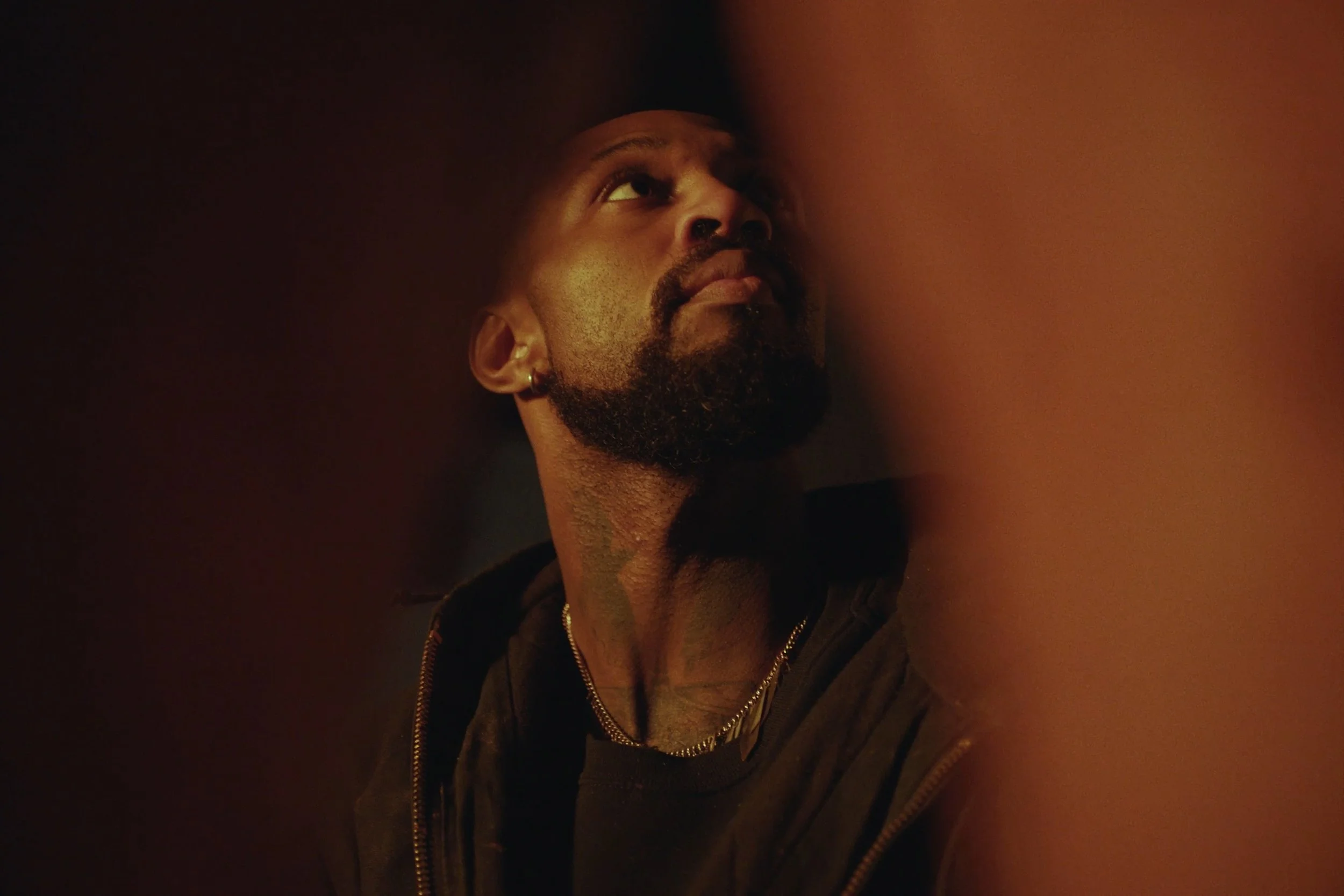
A Short Documentary About Joe Louis, Art, and Detroit Legacy
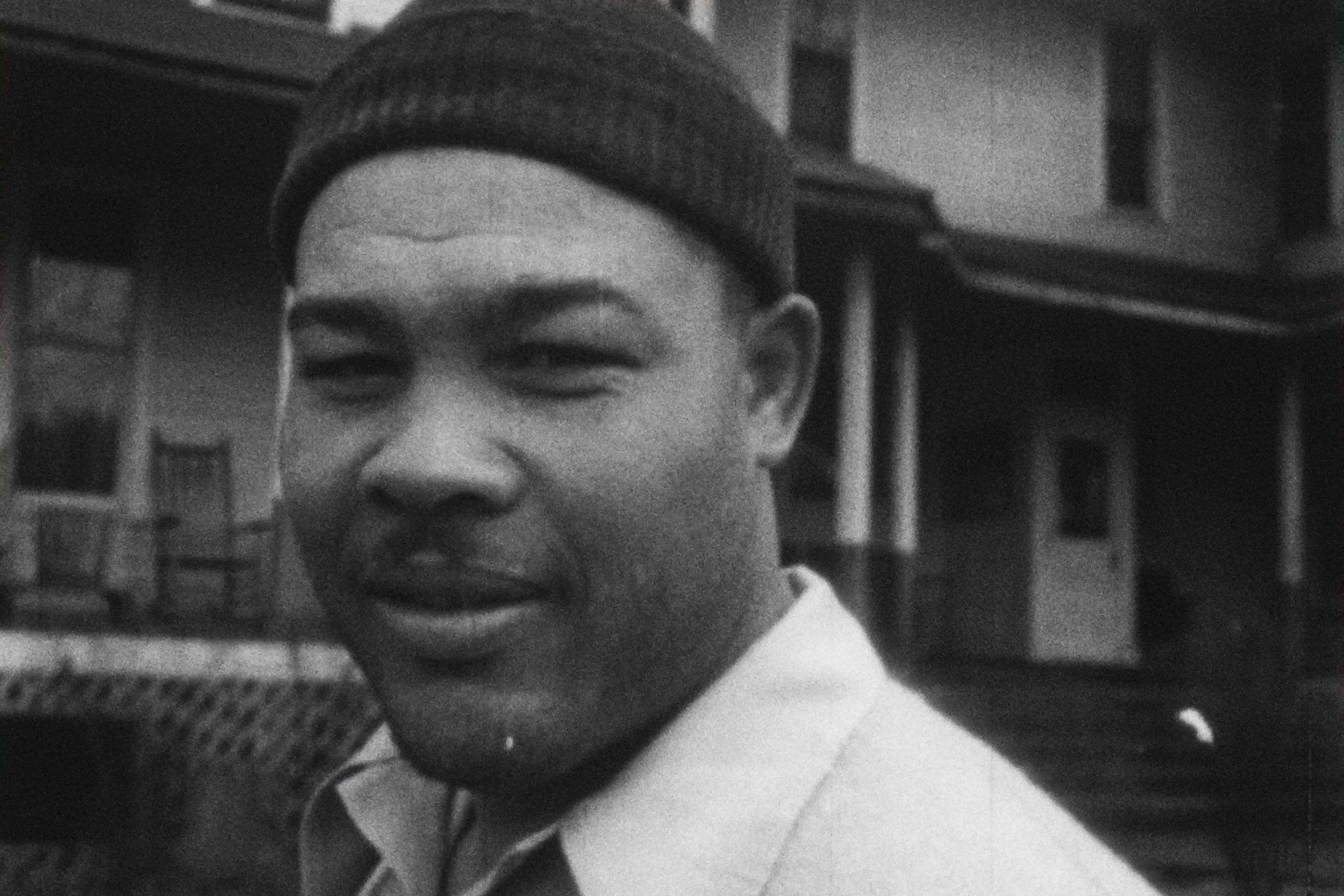
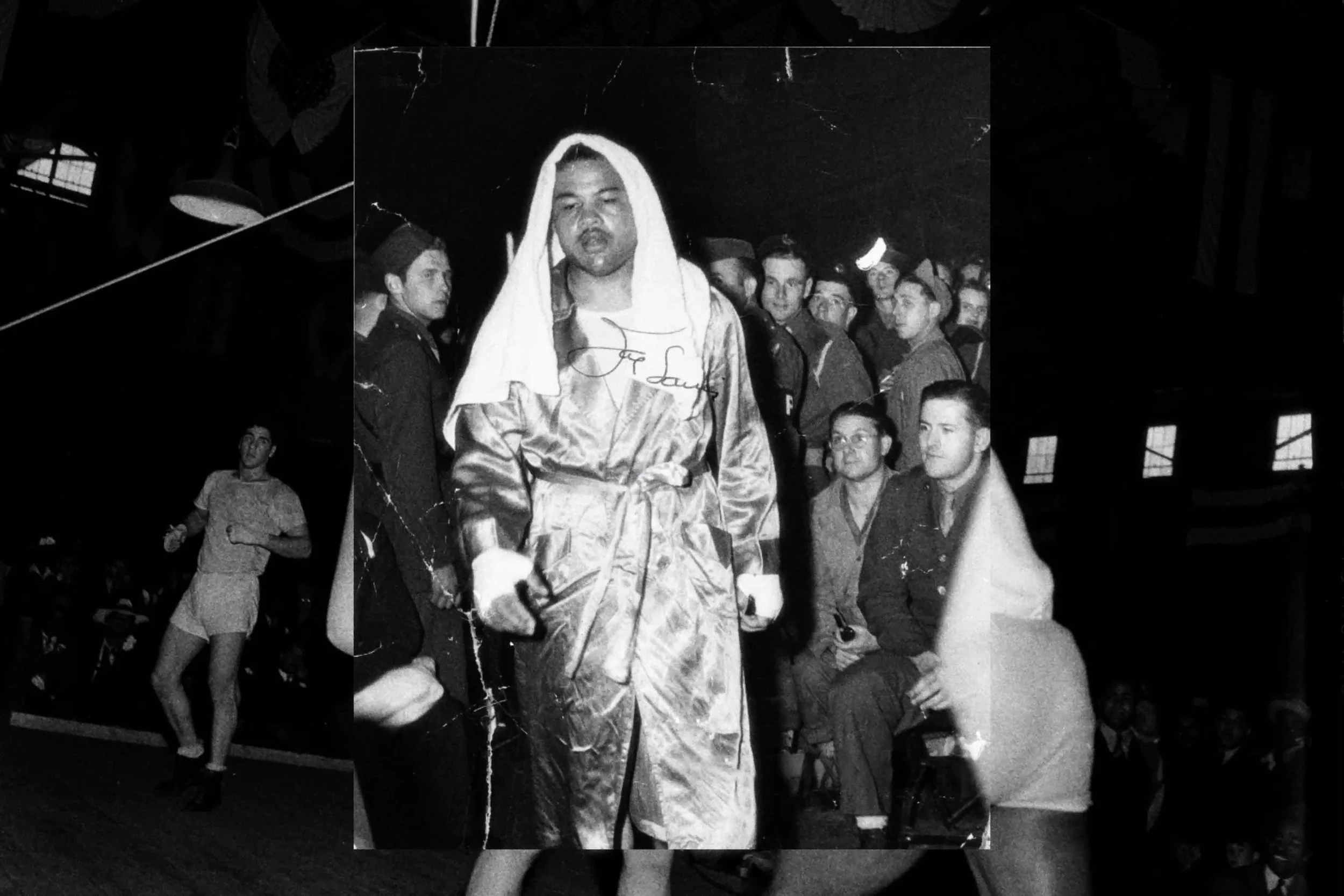
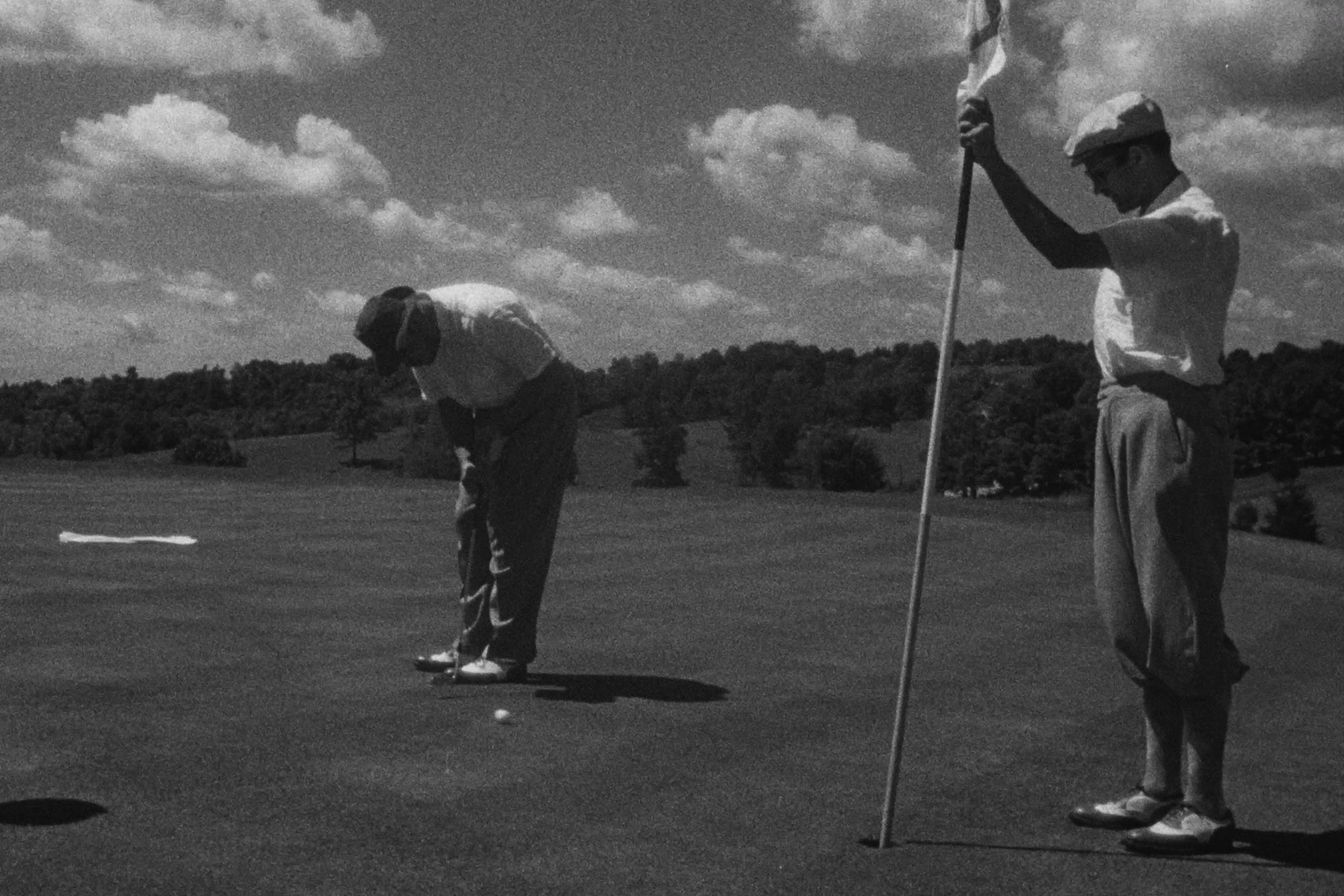
It’s well known that Joe Louis Barrow is one of the greatest boxing champions and humanitarians this country has ever known. But what’s lesser known is he broke the color barrier in the PGA as the first person of color to play in a PGA sanctioned event.
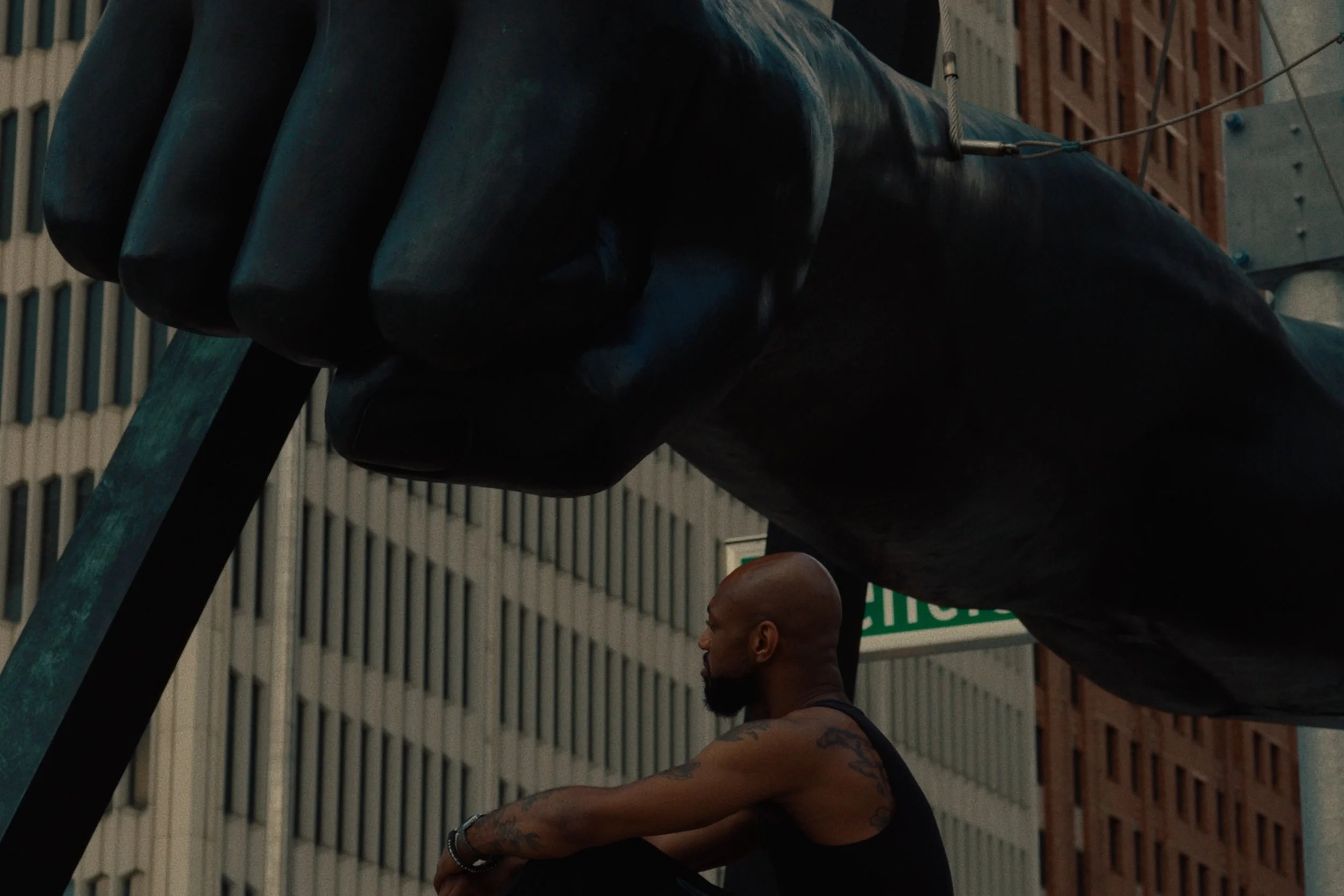
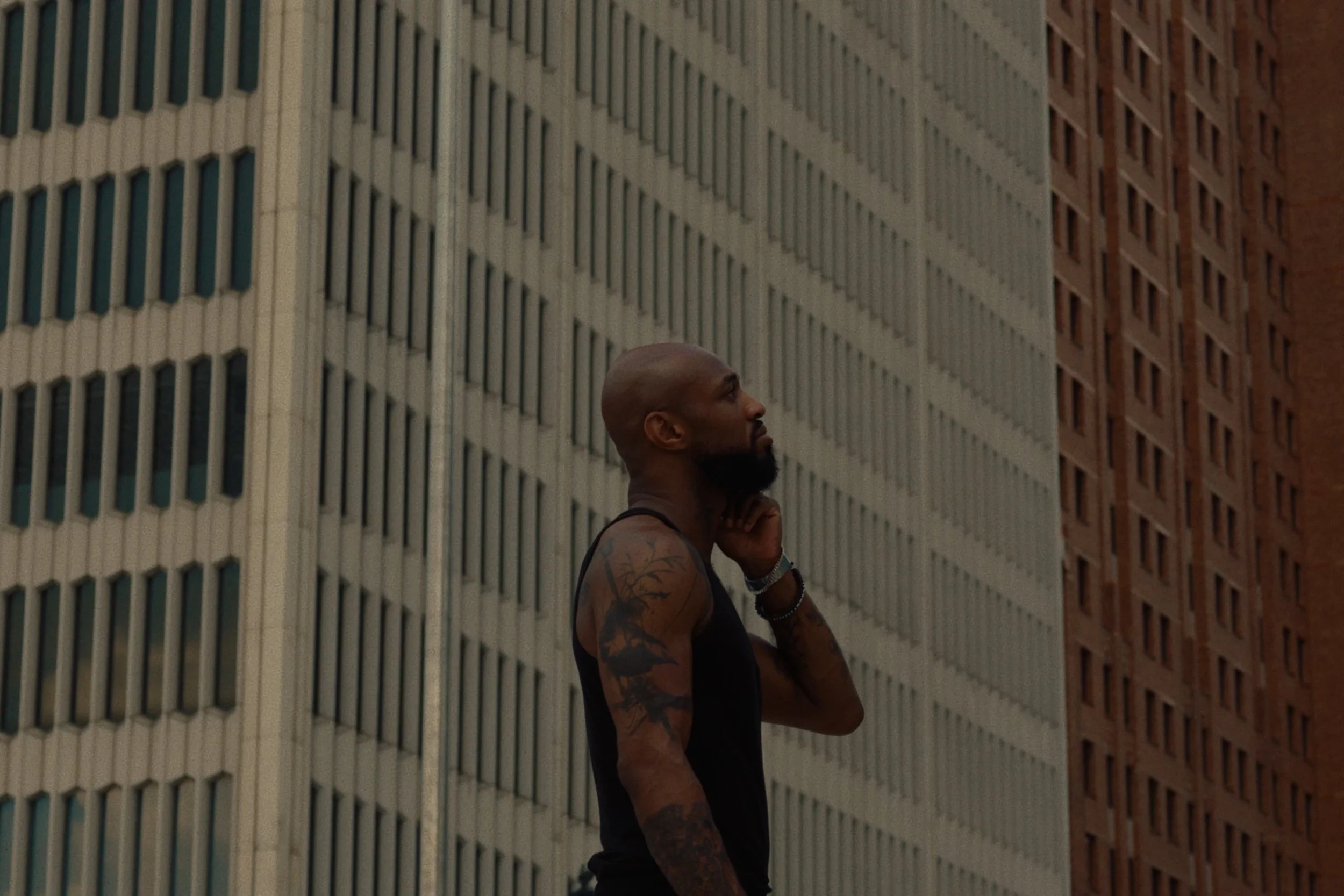
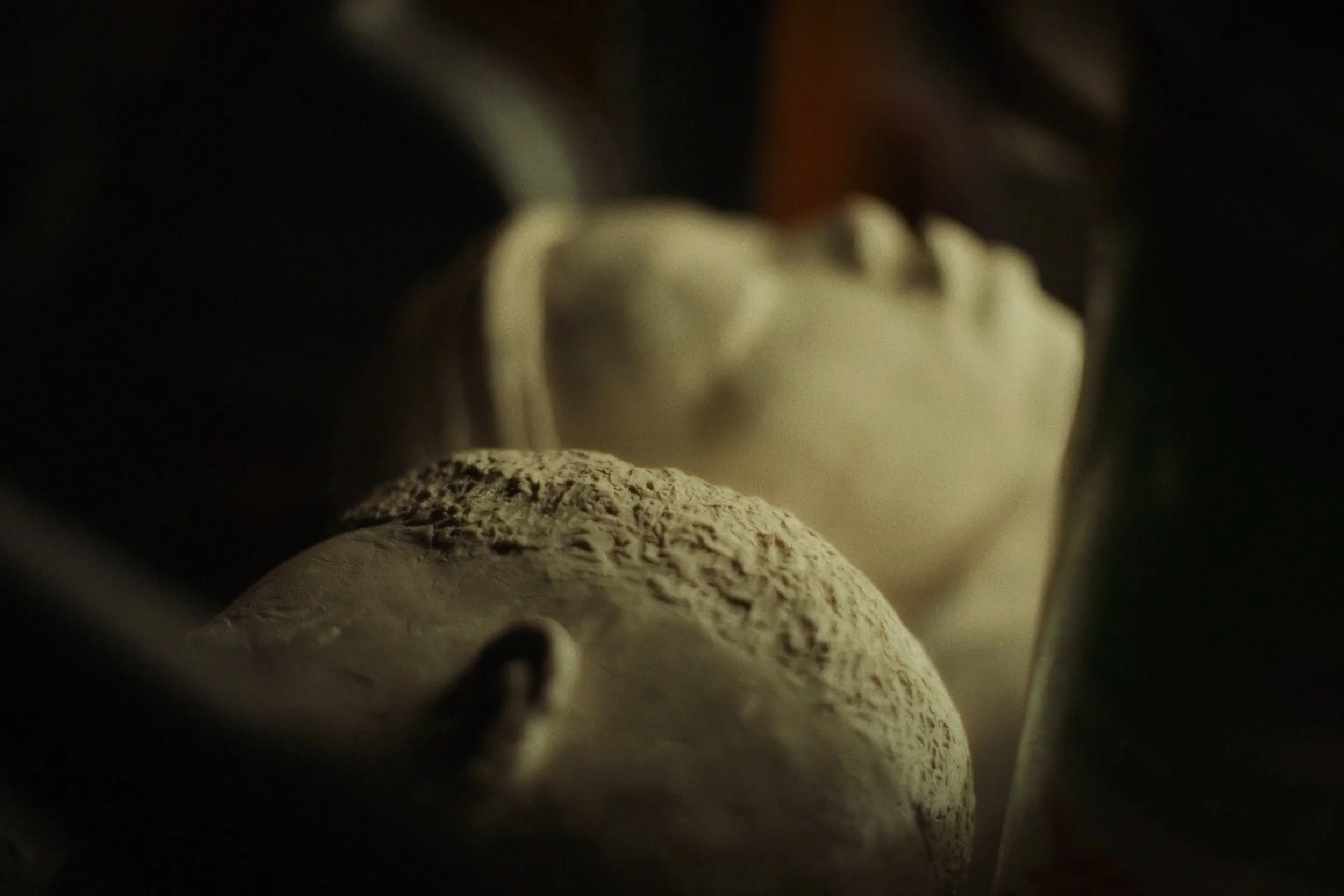
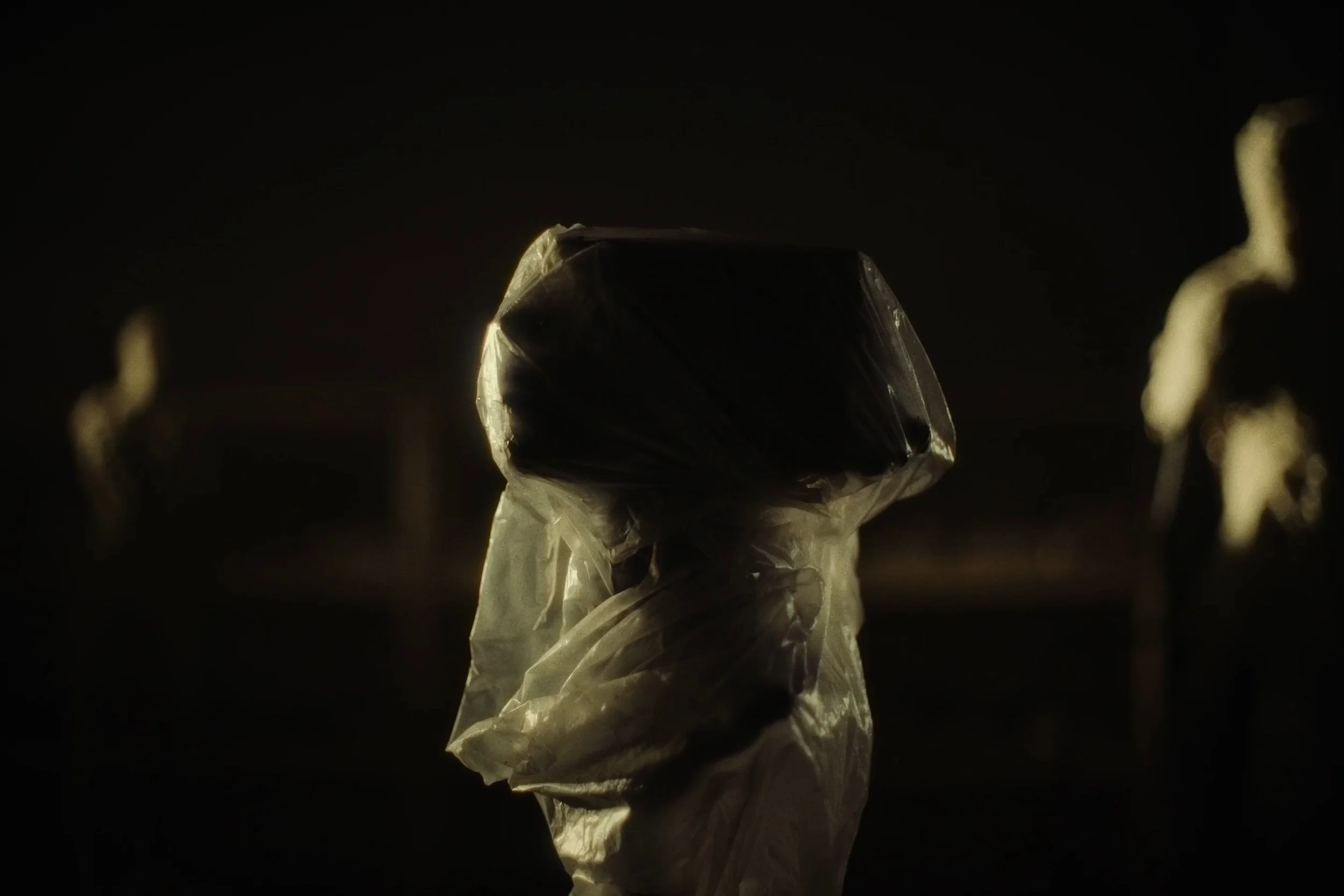
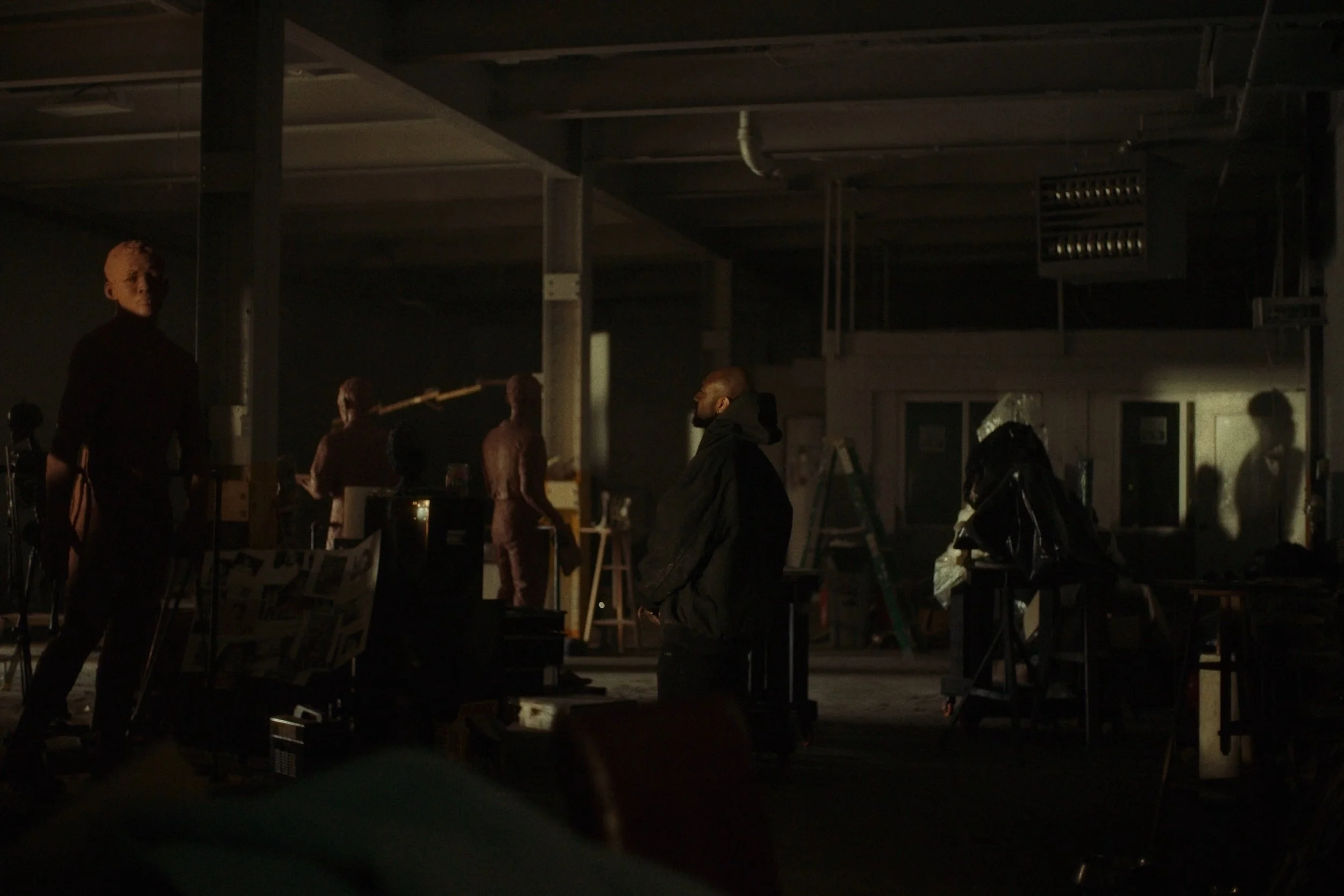
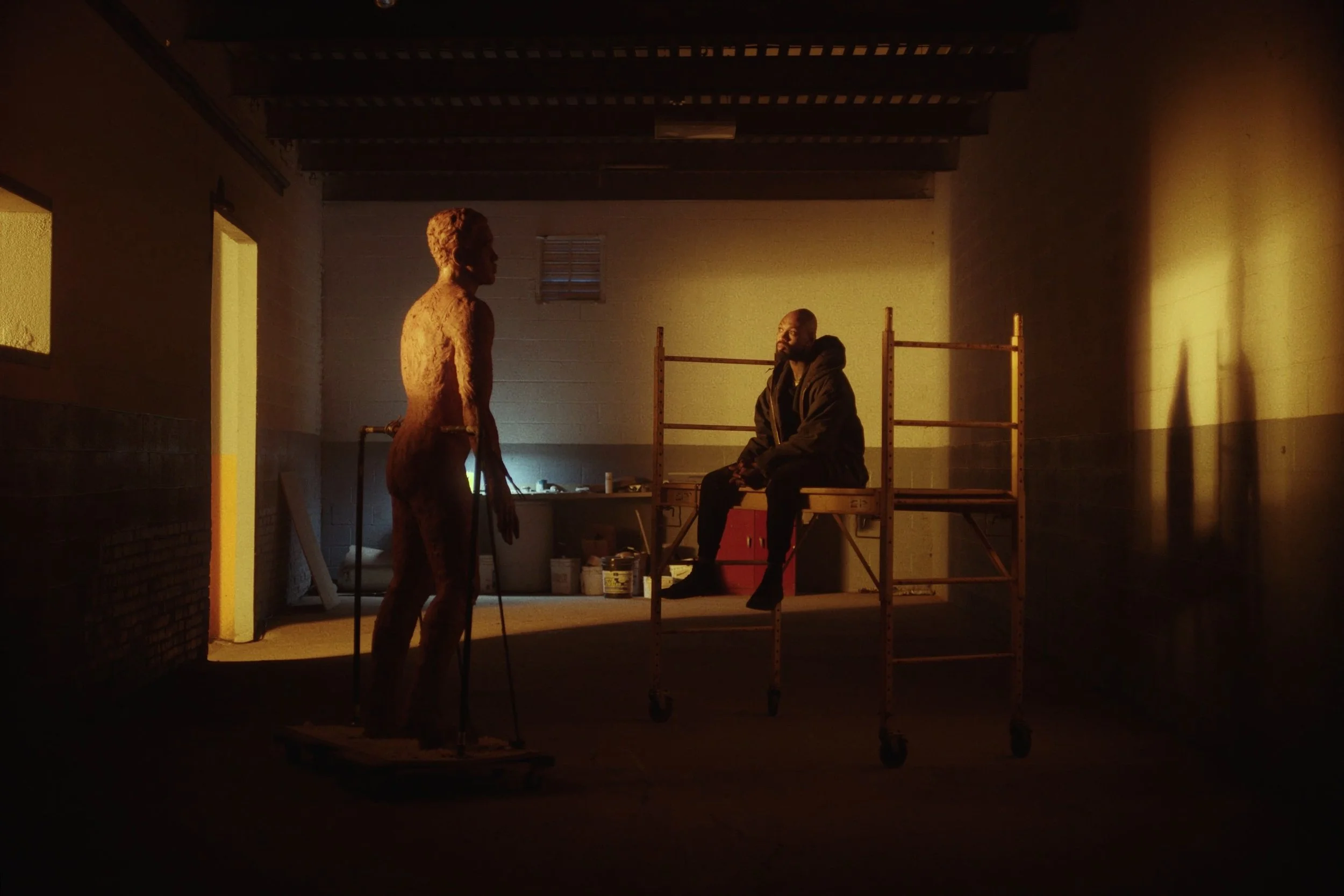
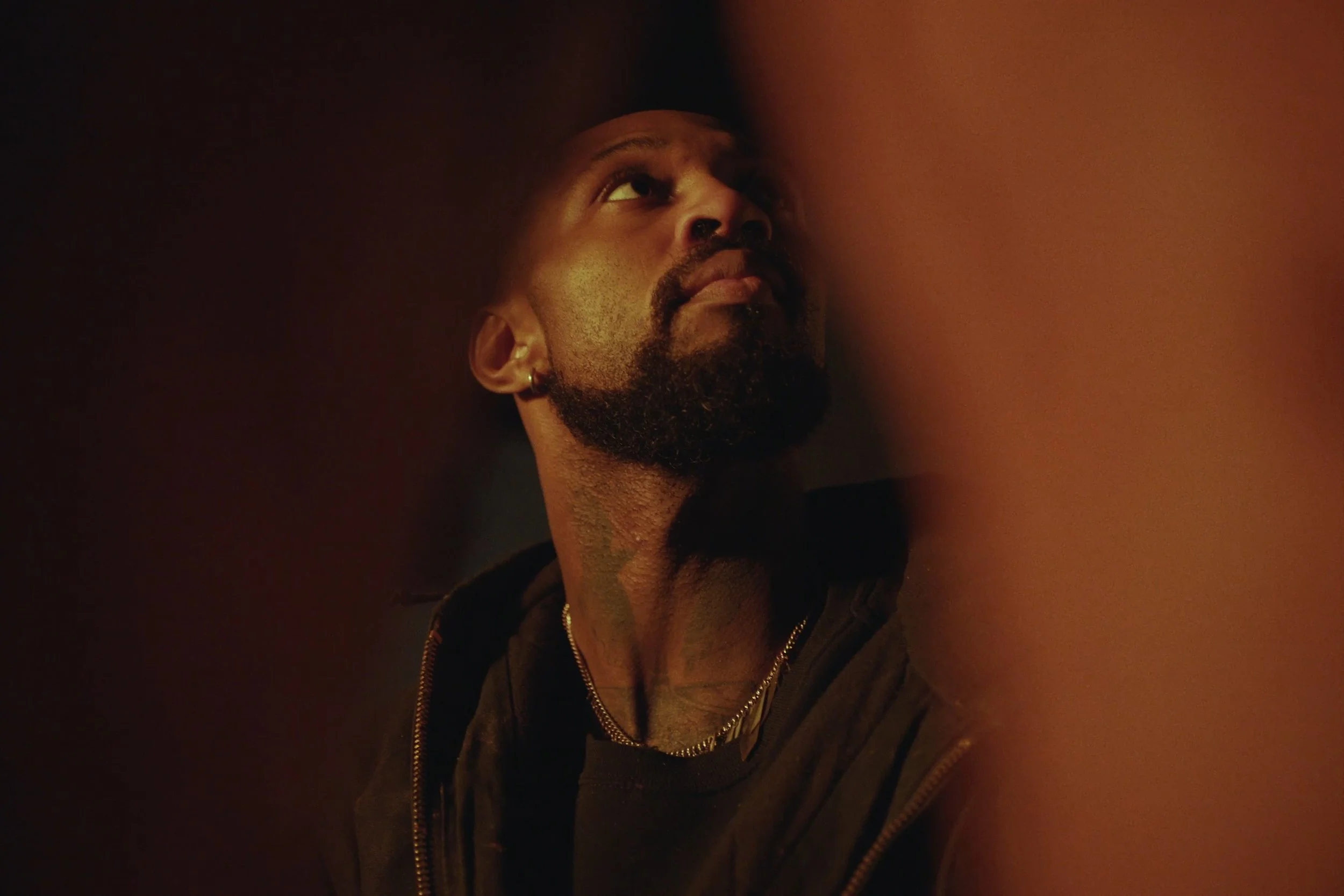
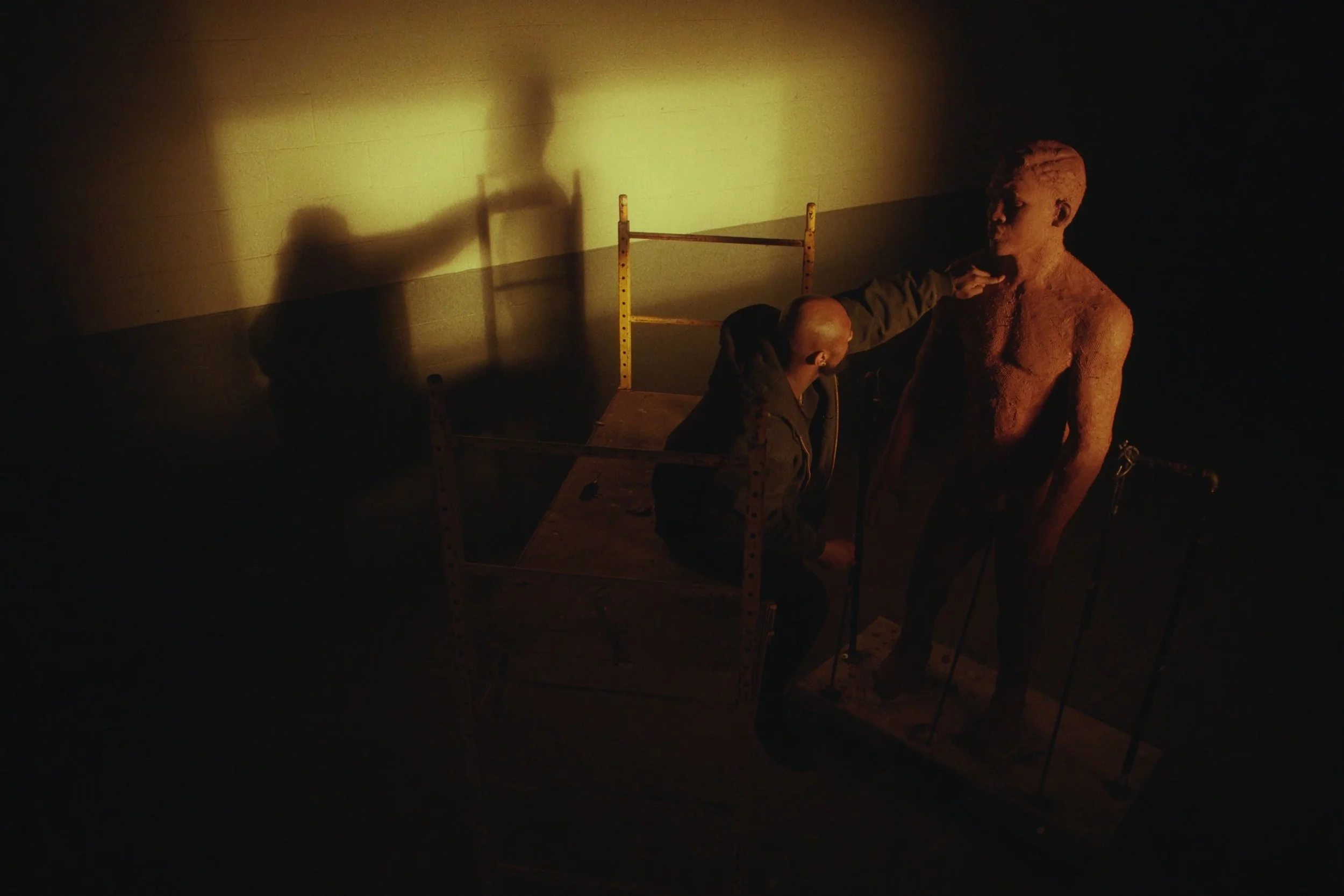
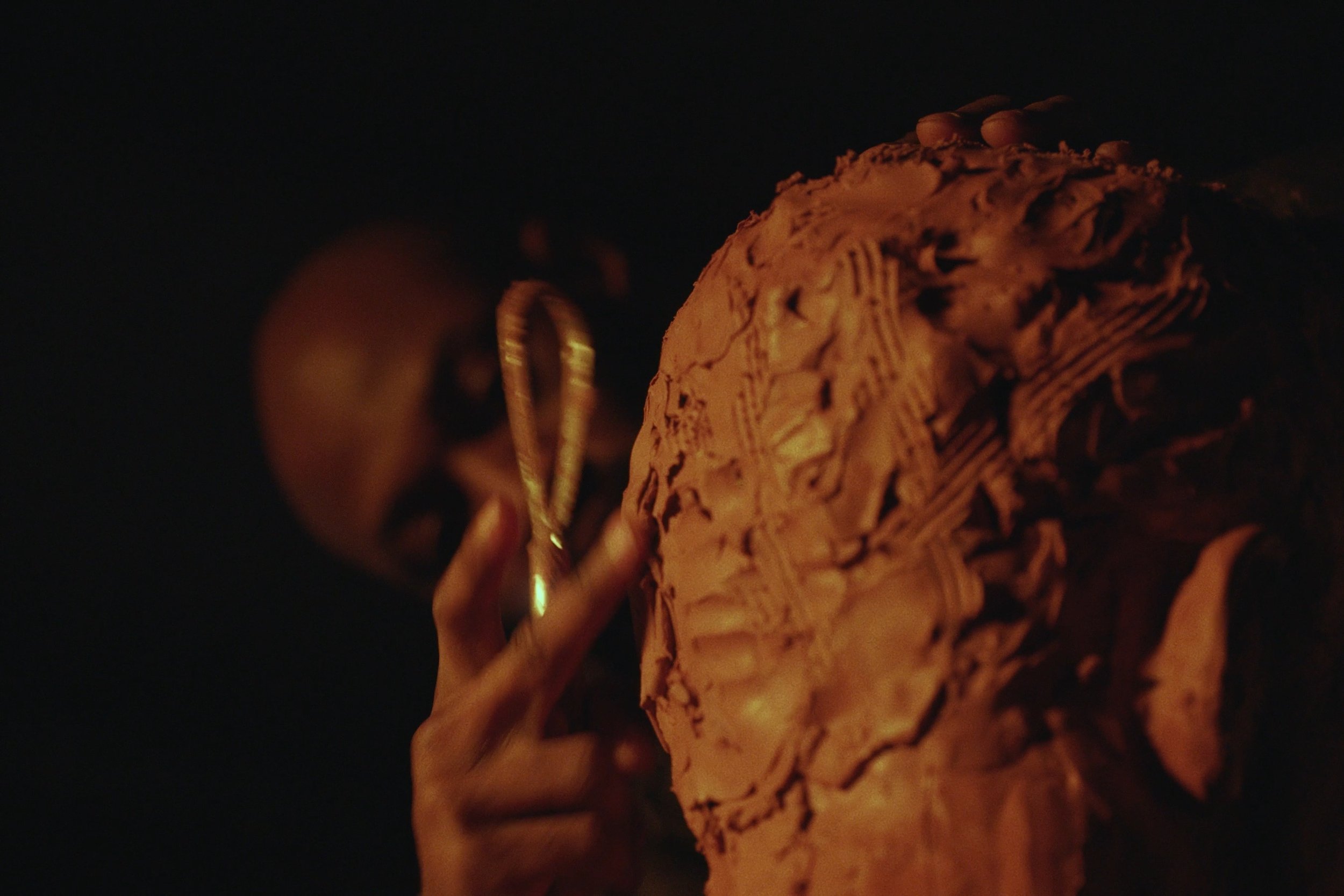
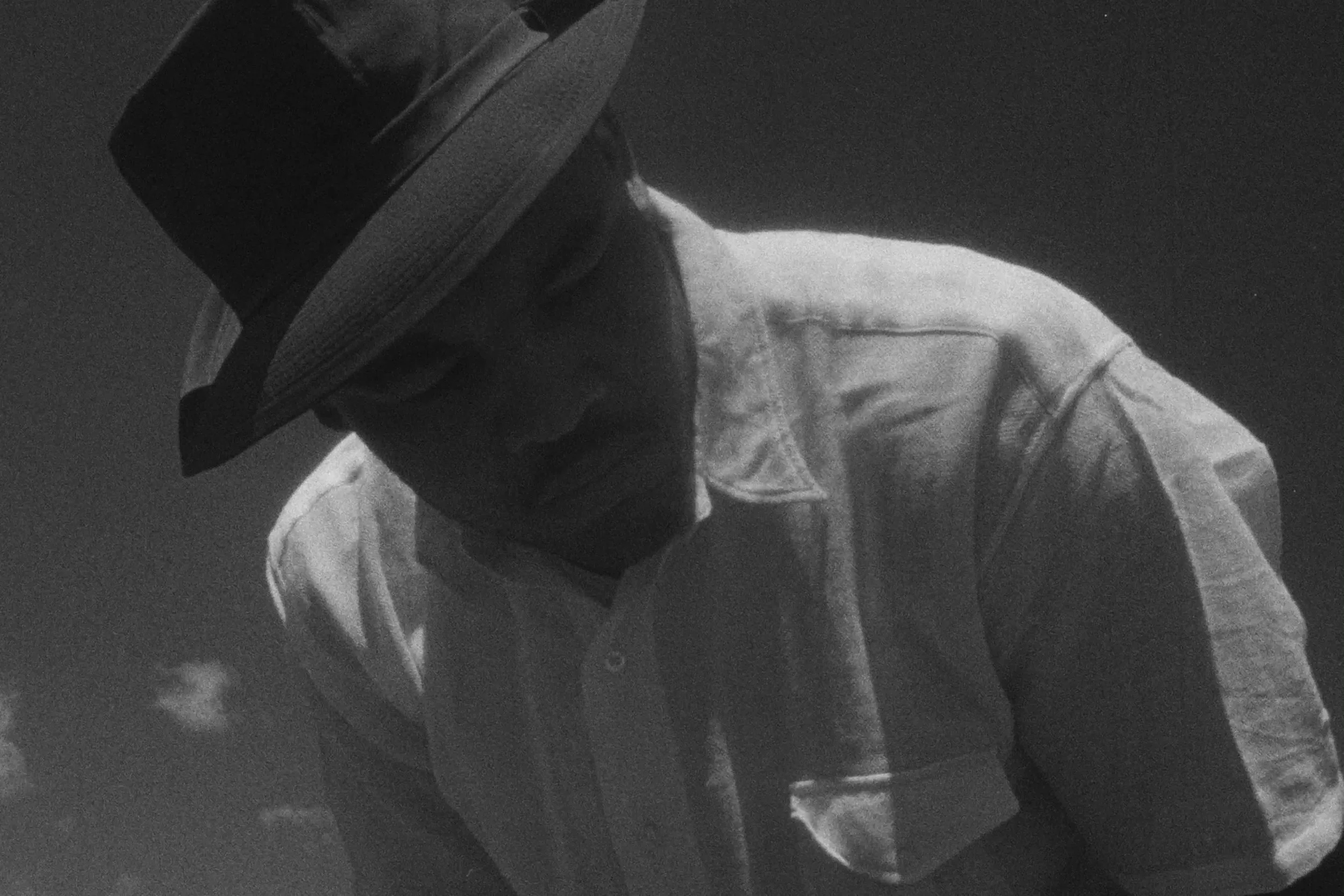
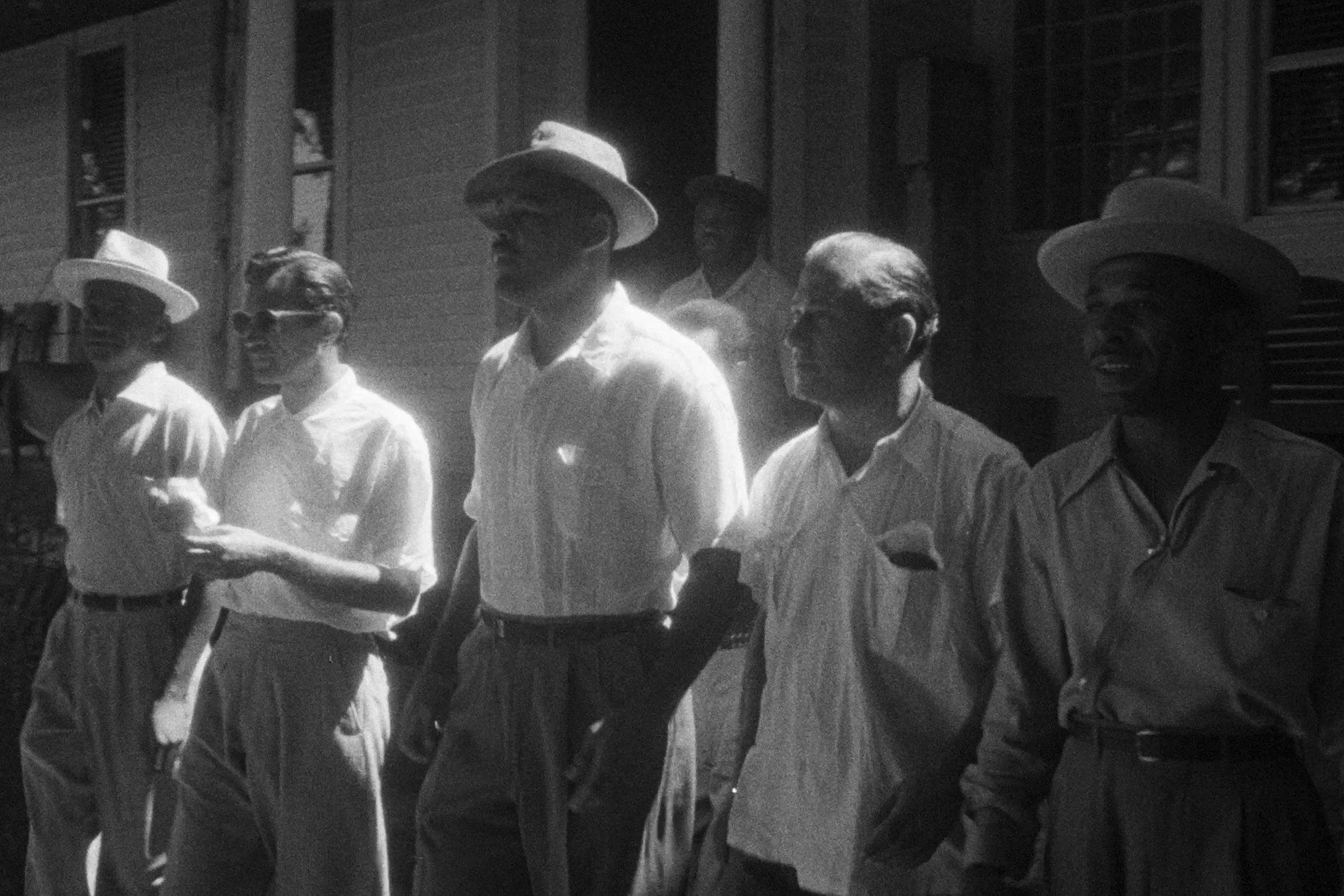
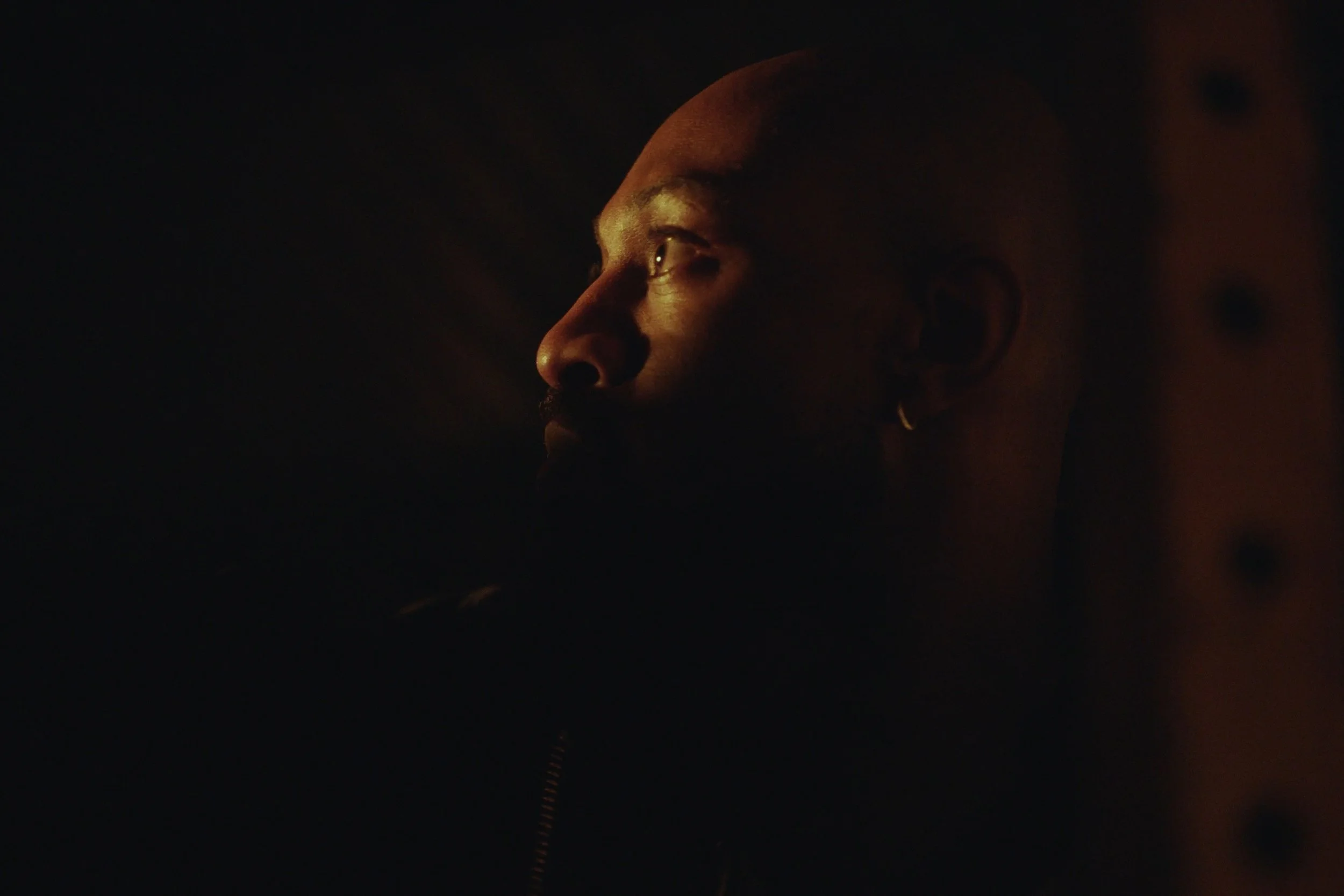
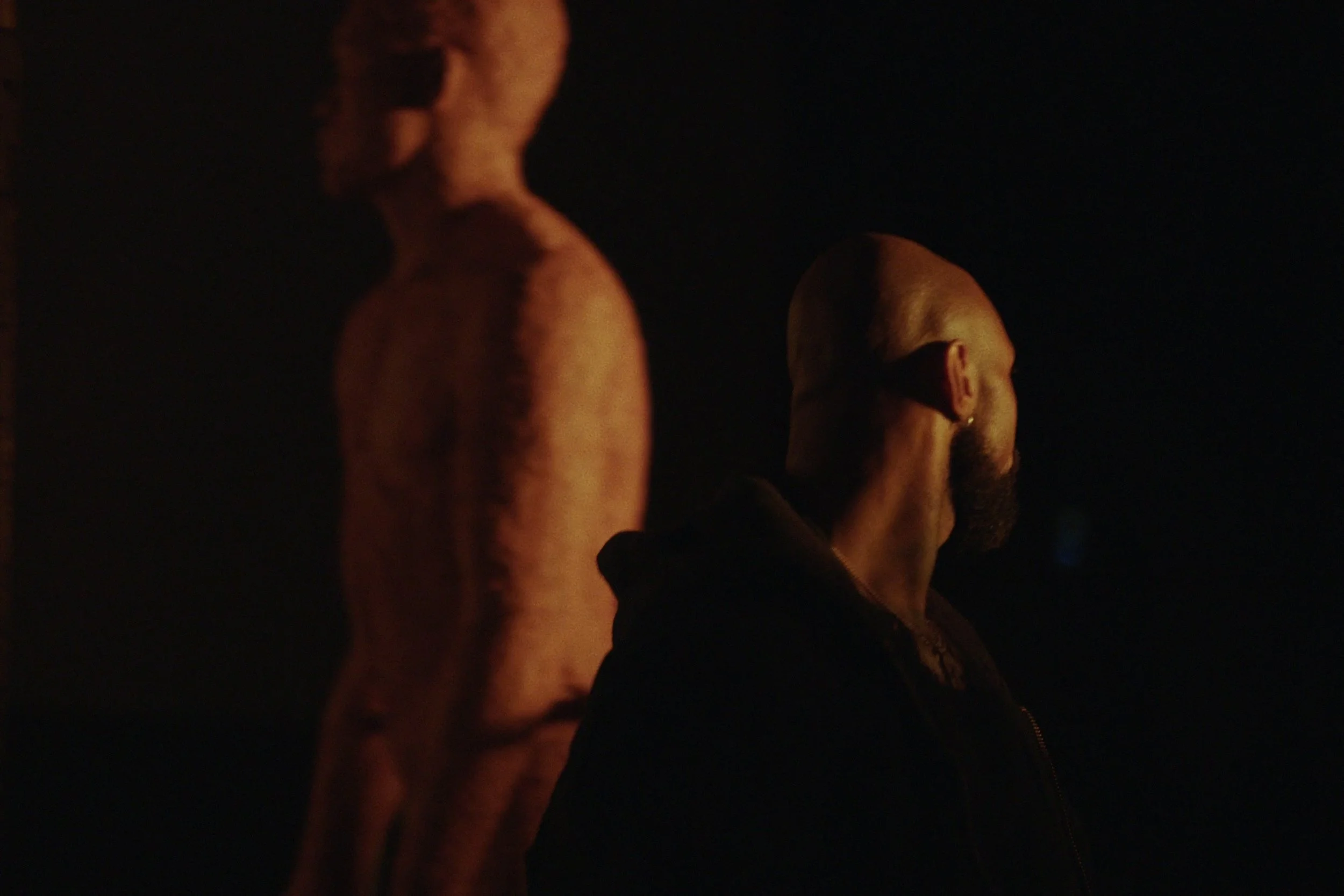
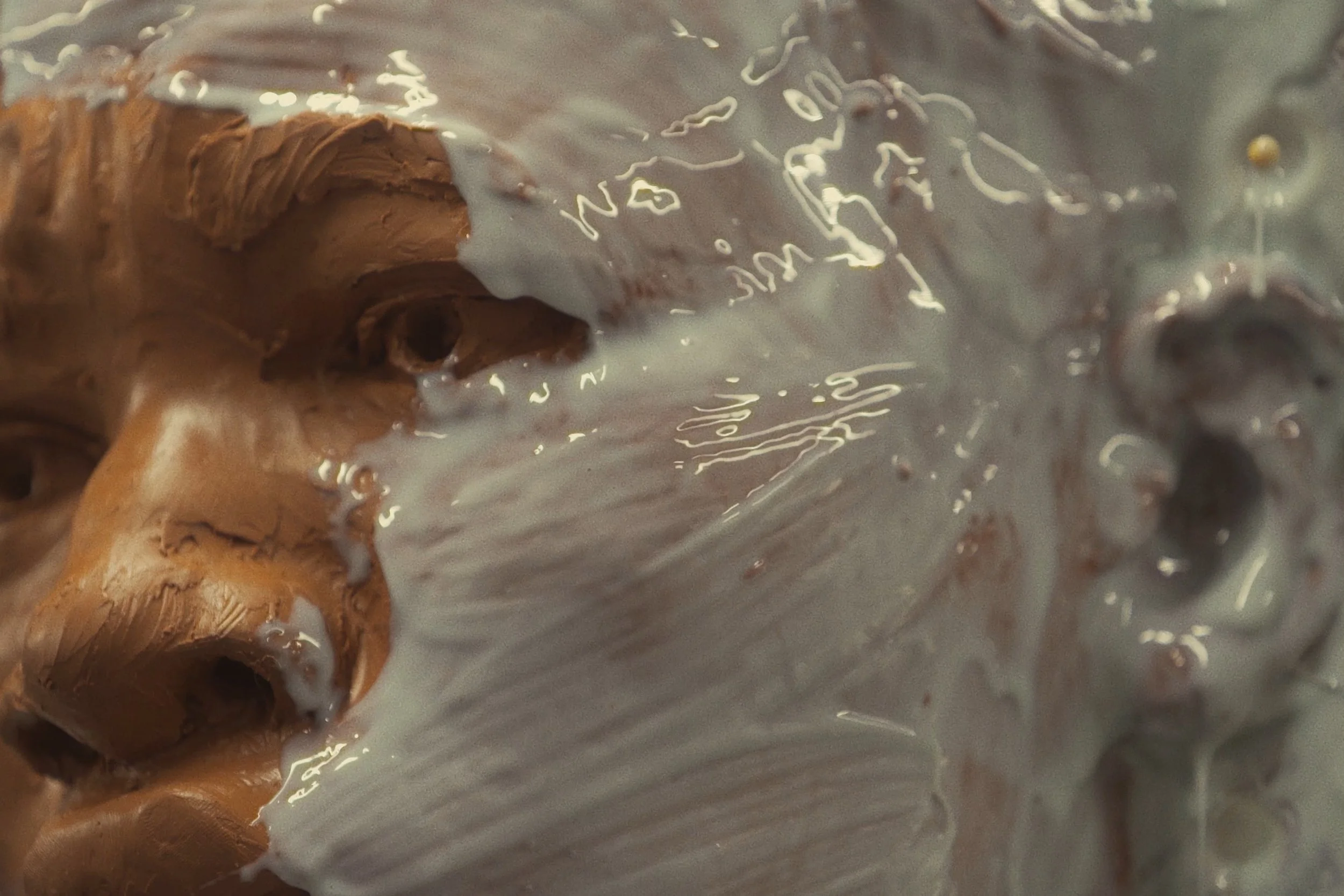
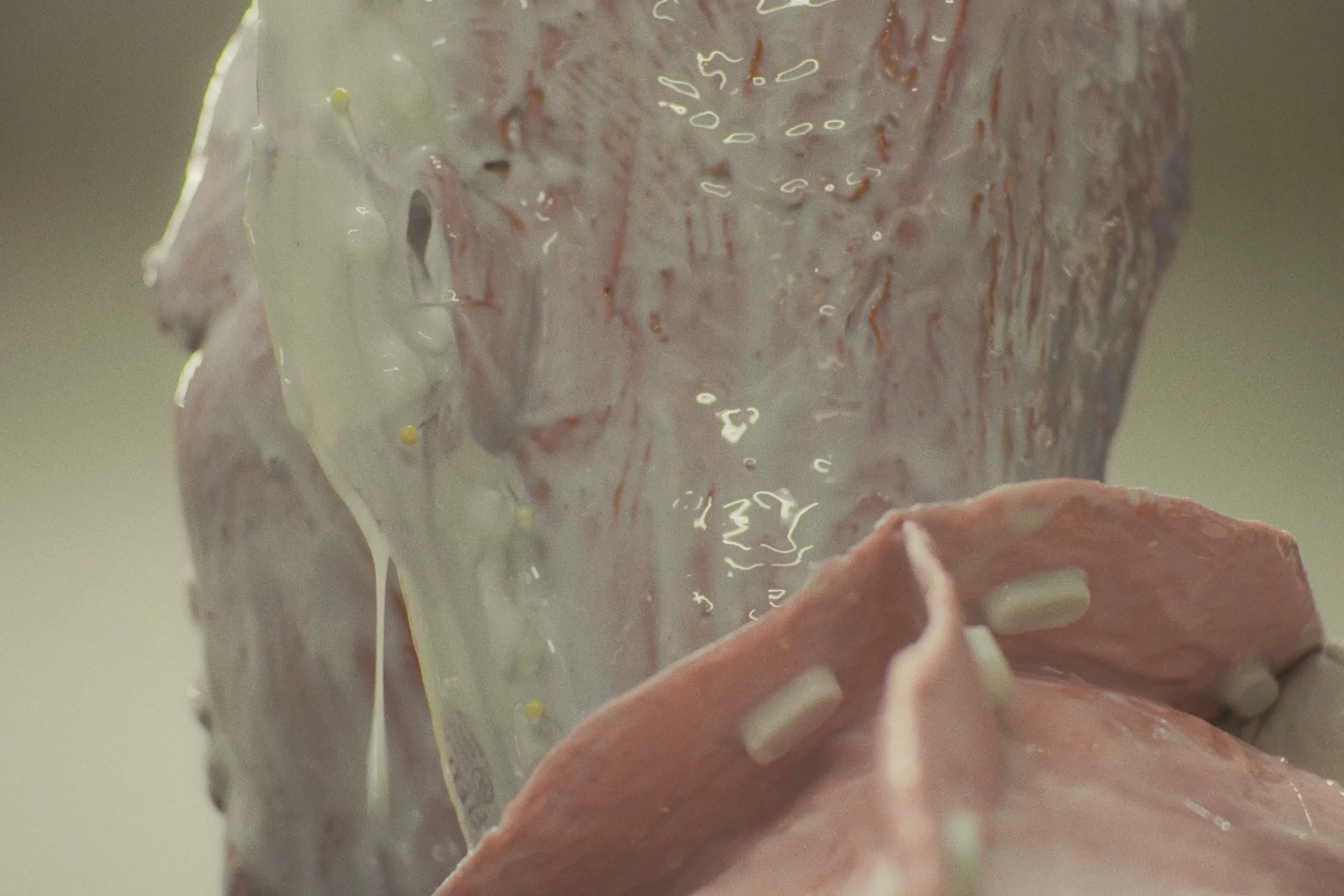
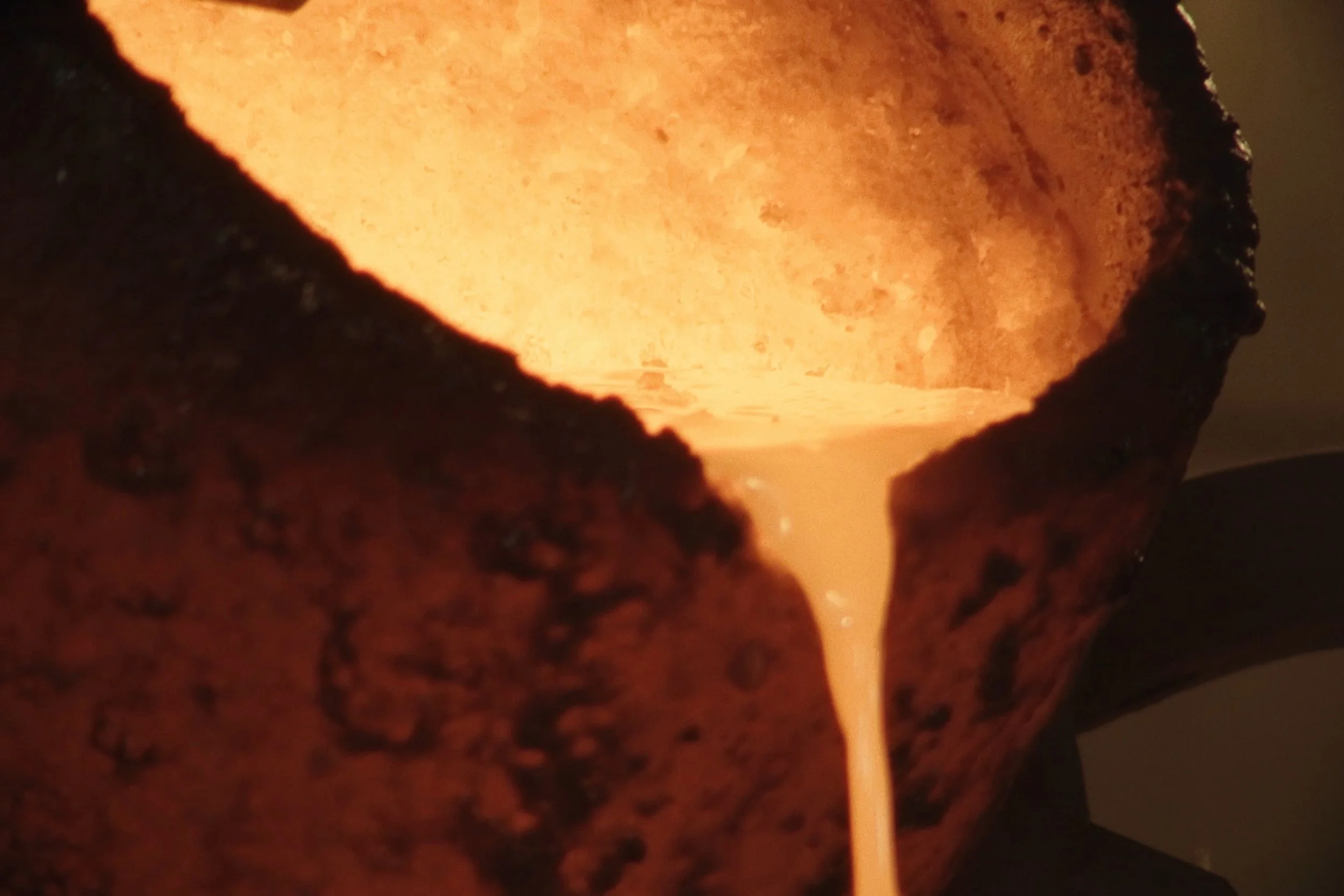
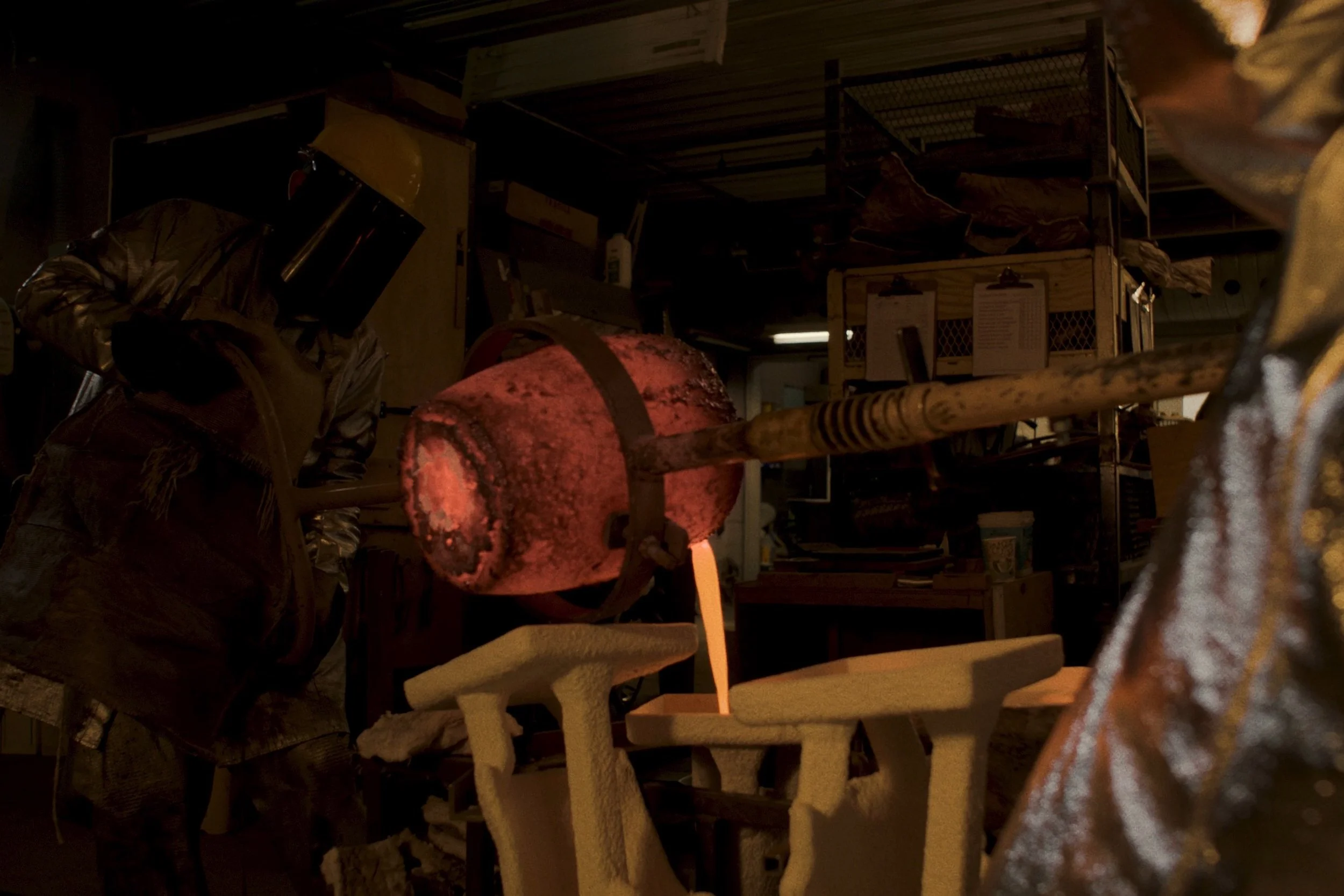
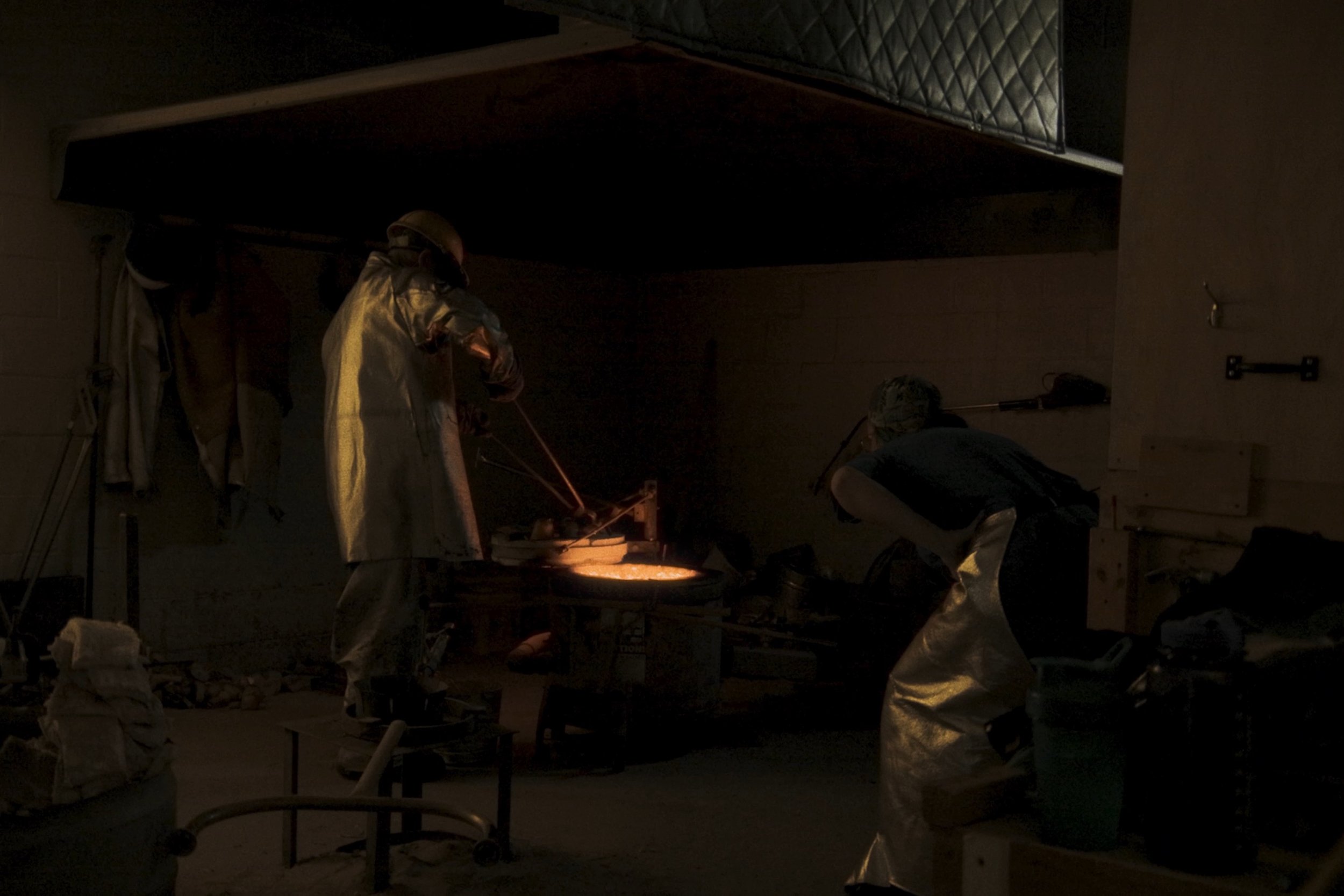
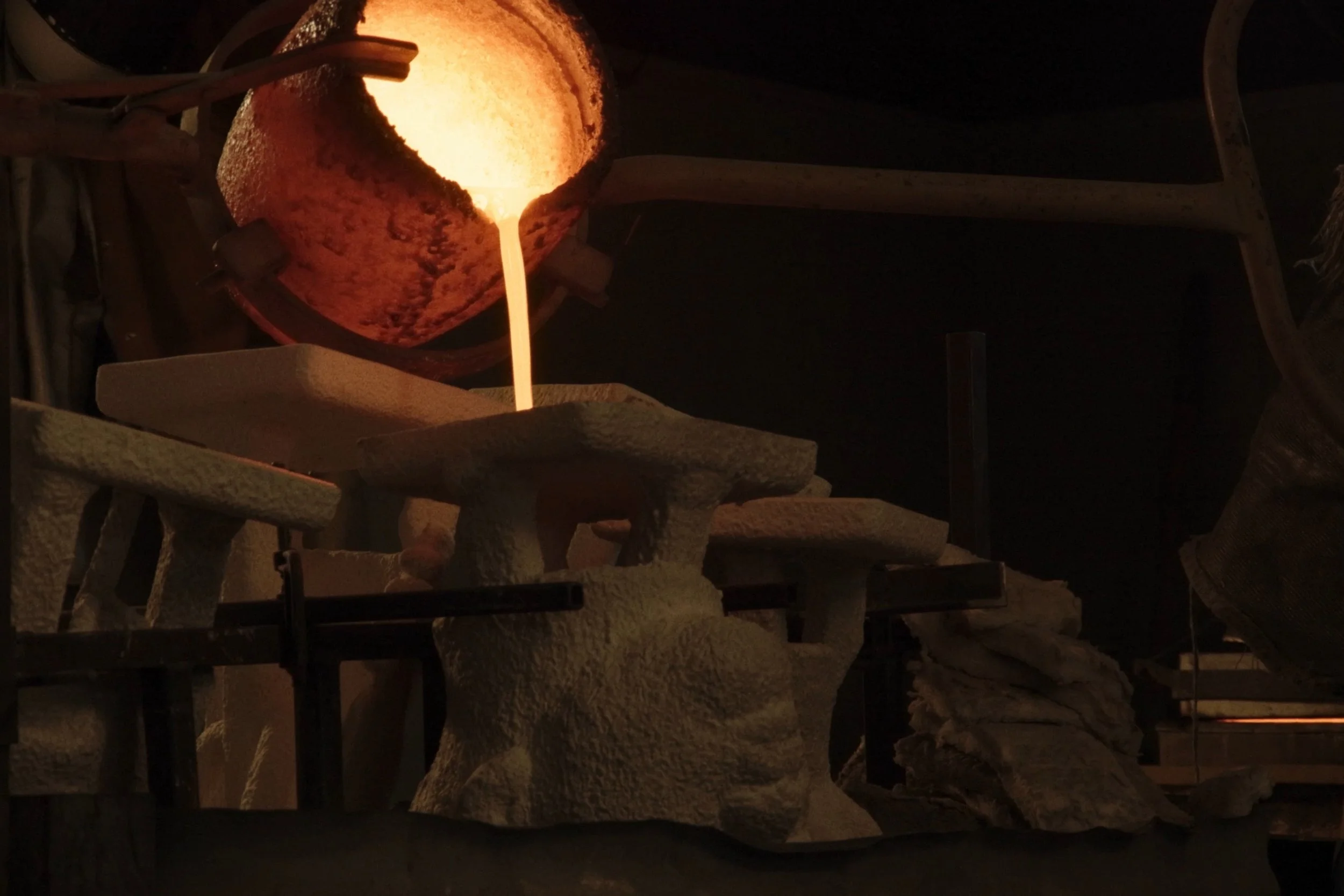
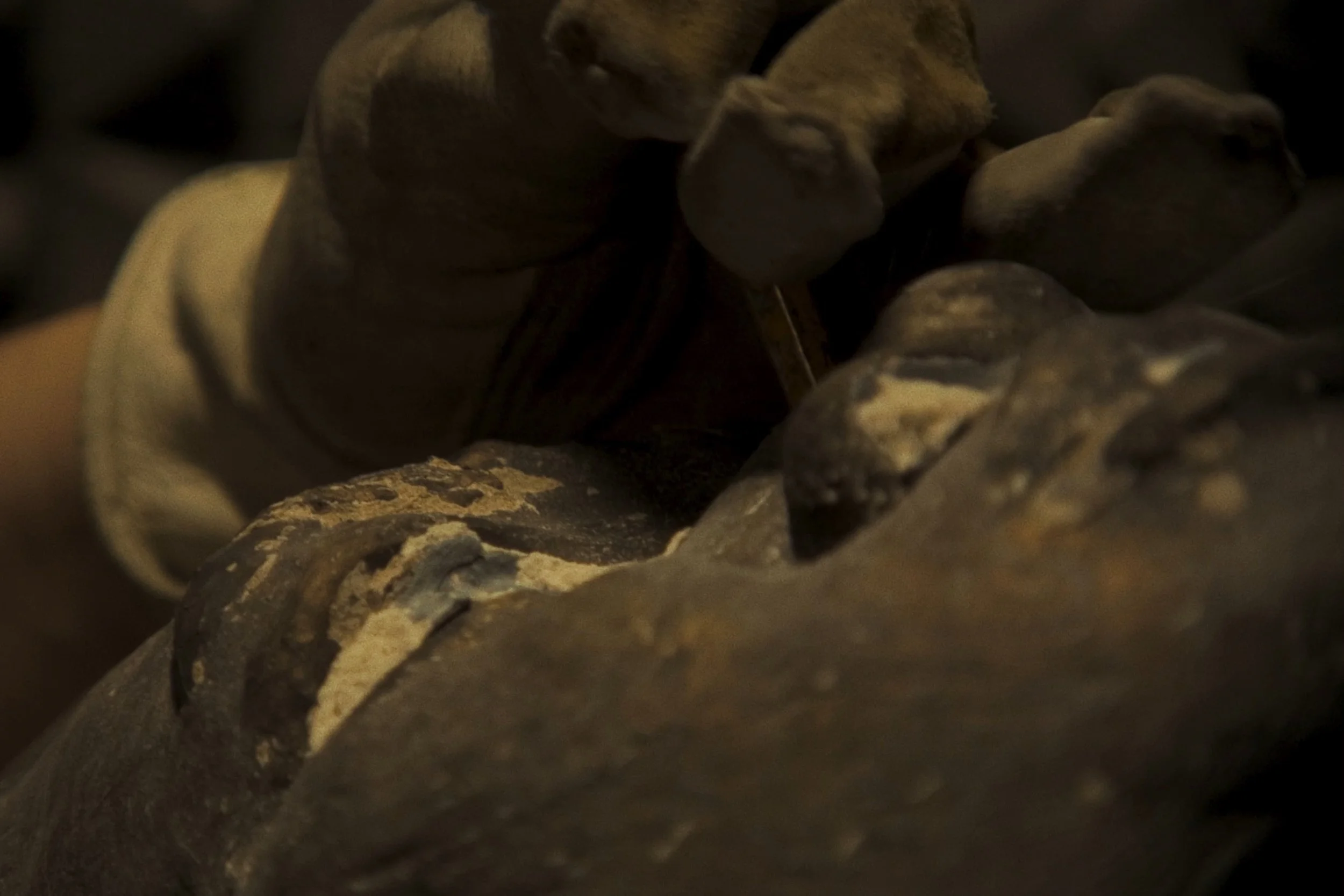
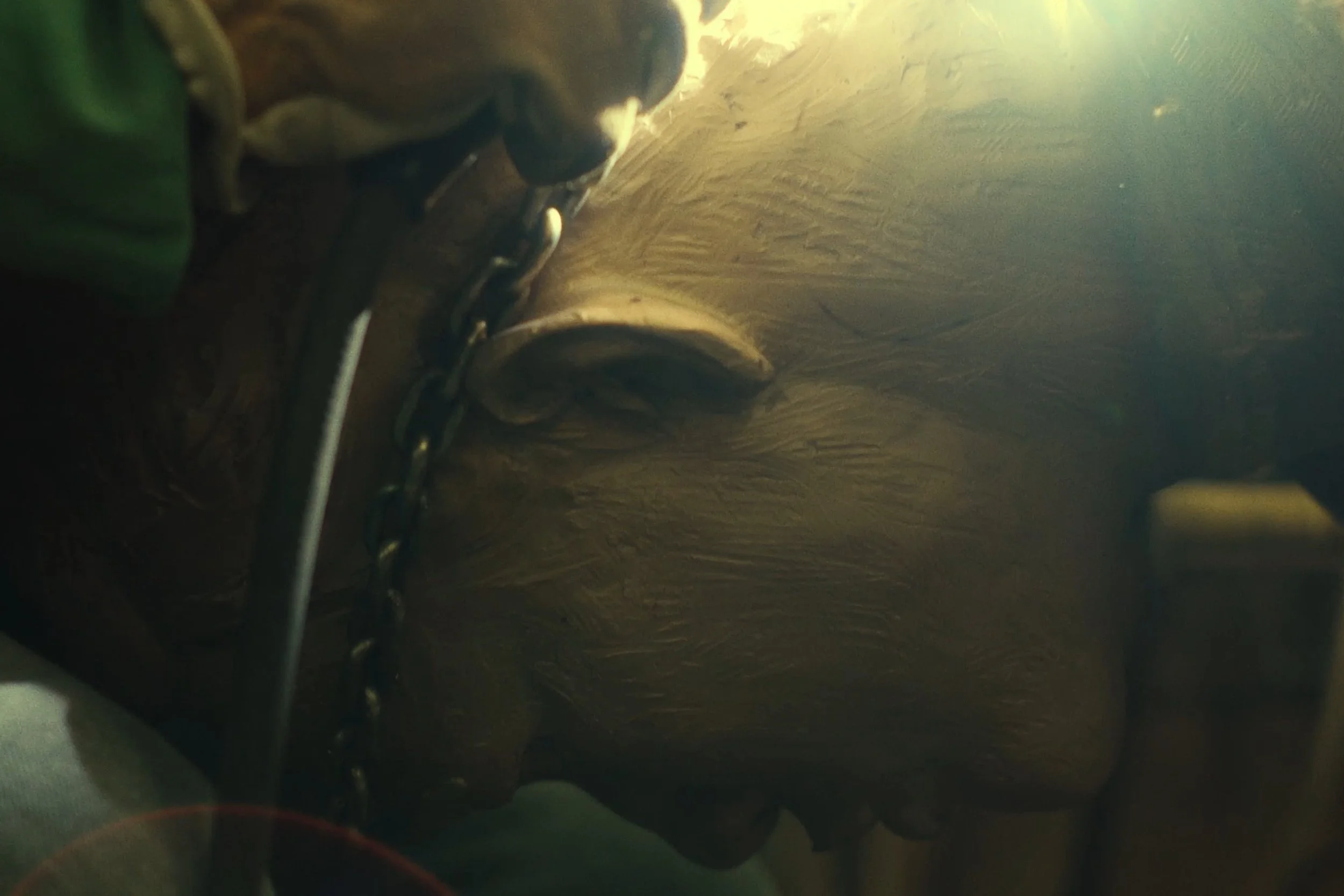
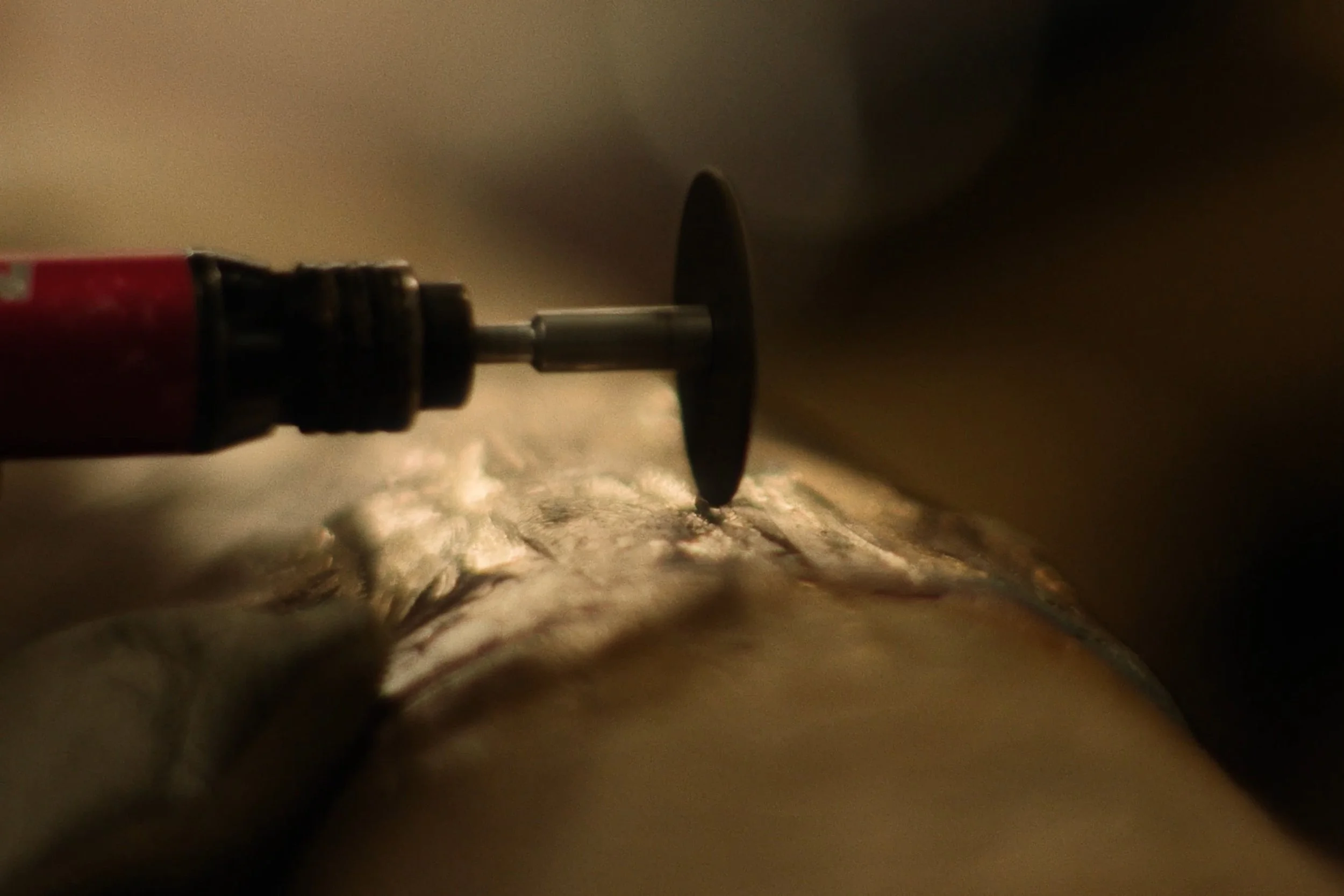
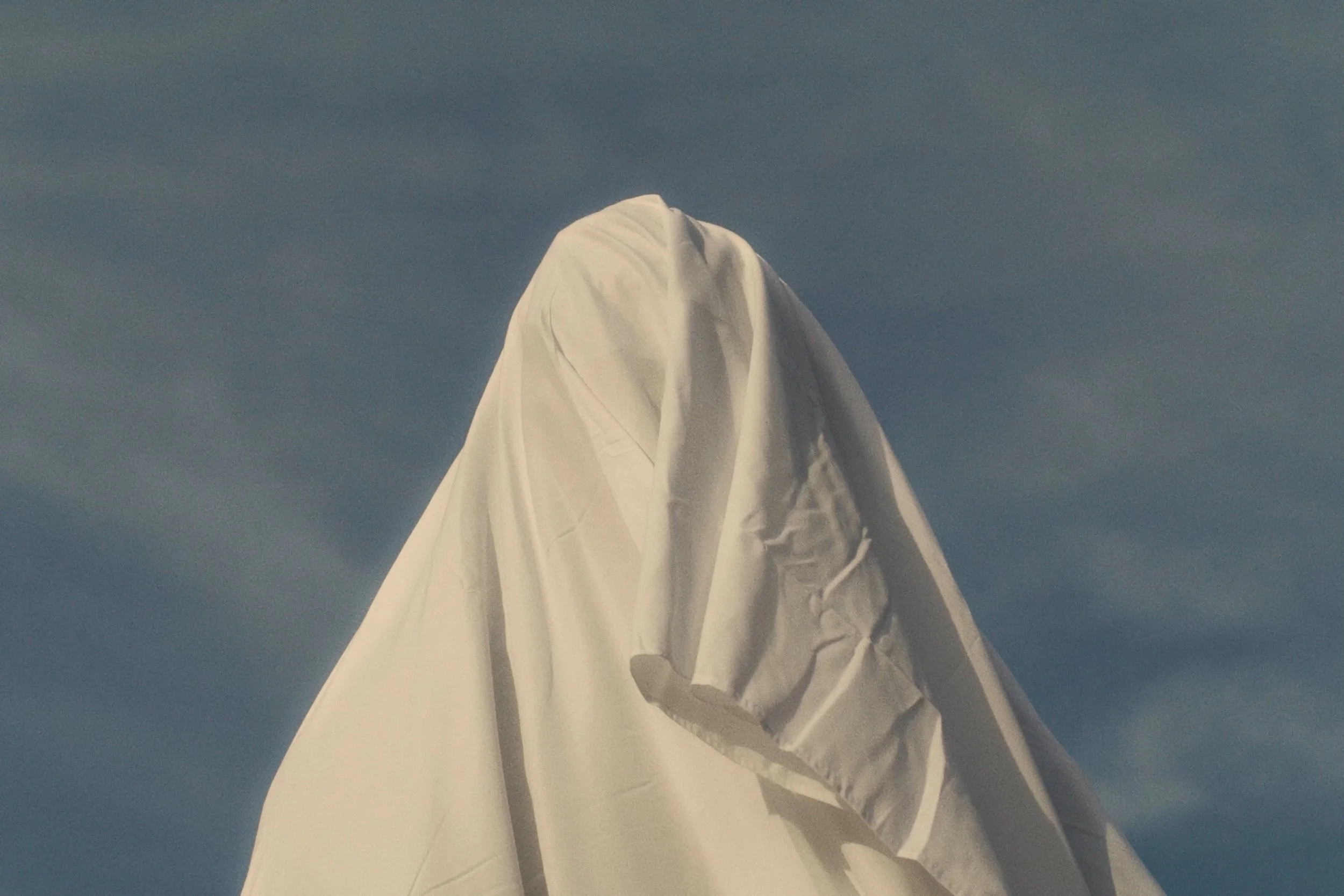
The film team behind Etched In Pavement, share another glimpse into the legacy of Joe Louis. Over the course of a year, John Sippel and Jonathan Patterson joined Detroit sculptor and friend Austen Brantley as he created a larger than life bronze sculpture of Joe Louis to honor this breakthrough.
Featured on:


-
A FLYOFF Production
Featured Sculptor - Austen Brantley
Director - John Sippel
Director of Photography - Jonathan Patterson
Editors - Josh Beebe, John Sippel
Executive Producer - Rochelle Riley
Additional Camera - Noah Elliot Morrison, John Sippel
Gaffer - Gianluca Petrazzi
Swing G/E - Sam Loudon, Dakota Page
Sound Design + Mix - Mike Regan
Colorist - John Sippel
VFX - Esteban Melean
Design + Animation - John Sippel
Music and composition in collaboration with Marmoset Music.
In partnership with the City of Detroit’s Office of Arts, Culture and Entrepreneurship.
A special thank you to:
The Joe Louis Barrow Family
Roger Smith & Michigan Art Castings
Noah Morrison
Jesse Ford
Katelyn Sippel
Avie Linden
Working Class Film Co
Advanced Multimedia Inc.
Scotia Lighting Inc.
Stratton Camera Inc.
Michigan Recreational Construction Inc.
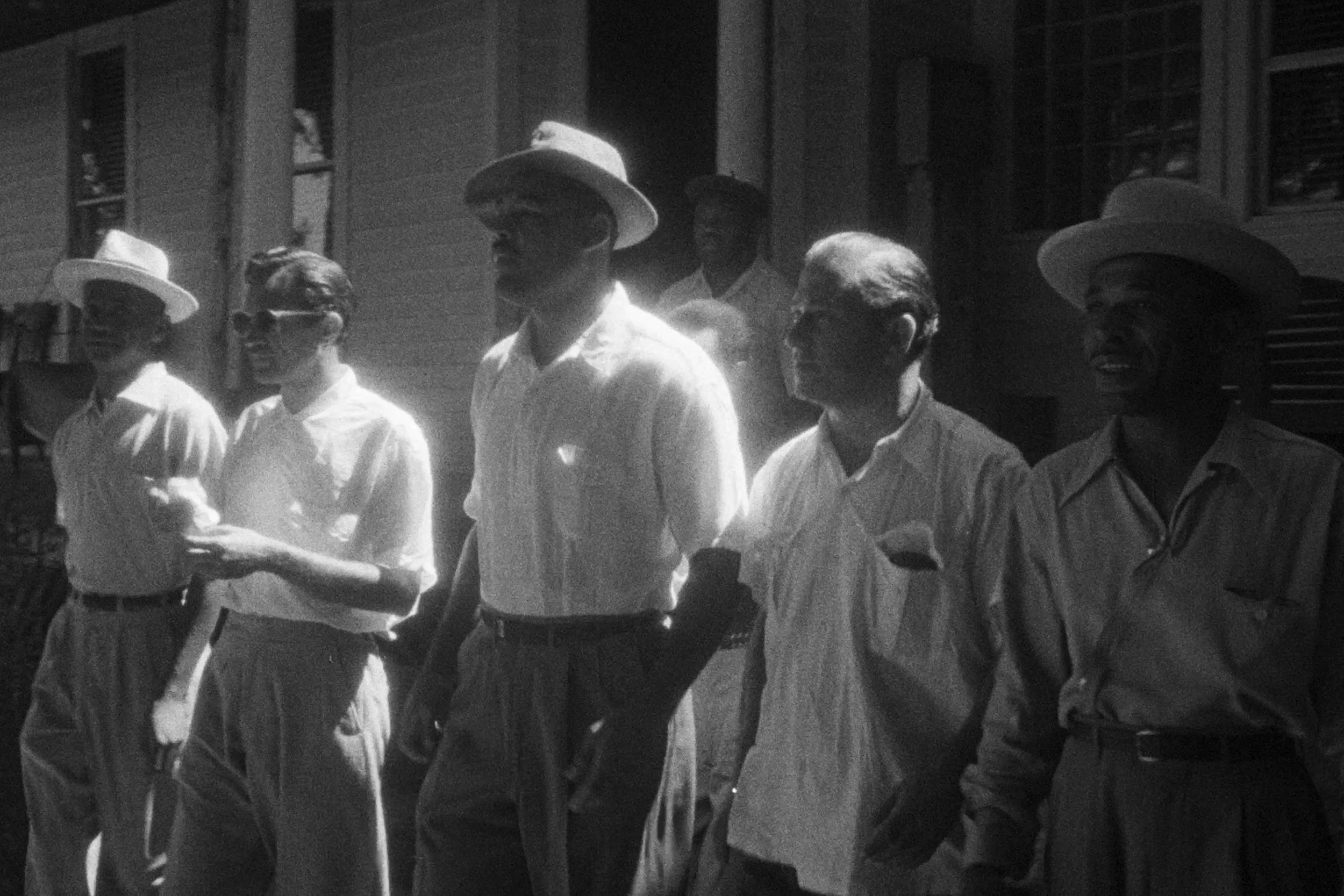
How Joe Louis Helped Break the Color Barrier in Golf
Legendary heavyweight boxing champion Joe Louis became one of the most influential amateur golfers in American history. Louis’s sincere love of golf, coupled with his competitiveness to improve his game, led to him supporting a crusade for diversity in golf.
Born Joe Louis Barrow on May 13, 1914, near Lafayette, Alabama, he and his family moved to Detroit, Michigan, when Louis was a teenager. He would hold the heavyweight boxing crown title for more than 11 years, recording 25 successful defenses. Louis began playing golf in 1935 and later became a major supporter of the United Golf Association (UGA), the African American organization that conducted tournaments nationwide.
He competed as an amateur, and in the 1940 Eastern Open drew a gallery of several thousand at Langston Golf Course in Washington, D.C., a year after the opening of the country’s first public course built expressly for African American golfers.
In 1941, in his hometown of Detroit, Louis sponsored the Joe Louis Open. He not only donated a $1,000 purse, but paid the entry fees and transportation costs of golfers who otherwise could not afford to pay. The tournament was suspended during World War II, when Louis served as a U.S. Army sergeant, but resumed after the war with a $2,000 purse.
Louis announced that he would concentrate on golf when he retired. However, financial pressures kept him fighting until 1951. One of Louis’s ambitions was to win the most prestigious title in African American golf, the amateur division of the National, or “Negro National,” the centerpiece of the UGA schedule. After several attempts, Louis won the 1951 title. He also became more outspoken about discriminatory practices in golf.
In 1952, Louis was invited to play in the San Diego Open, but the PGA’s “Caucasian-only” membership clause in its bylaws prevented such an entry. Louis confronted tournament officials and after an emergency meeting, Louis was allowed to compete as an exempt amateur. Louis wasn’t the only African American golfer attempting to enter that week. His friend, professional Bill Spiller had qualified, but was not allowed to play.
Louis became the first person of color to compete in a PGA-sanctioned event.
The New York Times reported on Jan. 16, 1952, that Louis said that he would continue his fight “to eliminate racial prejudice from golf, the last sport in which it now exists.”
Louis posted a first-round 76, while playing in a group that included two-time Masters Champion and PGA President Horton Smith, who had a 73. The next day after Louis turned in an 82 and Smith a 78, both missed the 36-hole cut. But Louis had set the precedent of a non-Caucasian in a PGA-sponsored event.
For Louis, his experience of quietly fighting for persons of color on the golf course was the same as during World War II when he stood up for Jackie Robinson and other black soldiers who were denied officer candidacy in the Army. Louis made the call to Truman Gibson, a Chicago attorney and special advisor to the Secretary of War on racial affairs. Robinson and the black soldiers were accepted.
The exclusionary PGA membership clause would not be eradicated for nine more years. The turning point came during a casual round at Hillcrest Country Club when Spiller was playing with entertainer Billy Eckstine. Club member Harry Braverman, whom Spiller had once caddied, served as intermediary for California Attorney General Stanley Mosk.
Mosk issued a moratorium on the use of California courses by the PGA until it ceased discriminating against non-whites. He also corresponded with other state attorneys general, seeking their assistance in applying pressure on the PGA.
On Nov. 10, 1961, at the Diplomat Hotel in Hollywood, Florida, the PGA Annual Meeting’s agenda became historic. The Georgia-Alabama delegation co-sponsored the amendment, adopted by a vote of 87-0, to remove the discriminatory bylaw that had existed since 1934.
Louis was 66 when he died the Sunday of the 1981 Masters. On a special order from President Reagan, he was buried in Arlington National Cemetery.
His son, Joe Louis Barrow Jr., would become a national spokesman for diversity in golf and retired in 2017 after serving 18 years as CEO of The First Tee. On Nov. 15, 2009, at the PGA’s Annual Meeting in New Orleans, Louis was bestowed Honorary Membership. It was the same evening that Black Pioneers John Shippen Jr., Bill Spiller and Ted Rhodes received posthumous PGA Membership.
“They say that you can’t turn back time,” said then-PGA President Jim Remy, “but you can do your very best to make it right.”
Source: Bob Denney - pga.com
Visit the statue in Detroit on the Joe Louis Greenway.
The statue is located at 10770 Grand River Ave on Detroit's west side, near the intersection of Oakman Boulevard and Cloverdale Street.
The Joe Louis Greenway is a massive 28 mile non-motorized trail network currently under construction across Metro Detroit, Michigan. Named in honor of the legendary Detroit boxing champion and civil rights advocate Joe Louis, the path is designed to connect 23 distinct neighborhoods spanning across Detroit, Hamtramck, Highland Park, and Dearborn.